

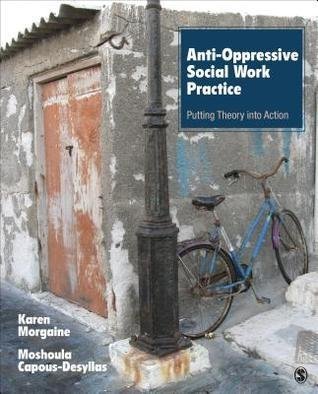
Anti-Oppressive Social Work Practice: Putting Theory Into Action 1st Edition by Karen L. Morgaine, ISBN-13: 978-1452203485
Original price was: $50.00.$14.99Current price is: $14.99.
Safe & secure checkout
Description
Description
Trustpilot
Anti-Oppressive Social Work Practice: Putting Theory Into Action 1st Edition by Karen L. Morgaine, ISBN-13: 978-1452203485
[PDF eBook eTextbook] – Available Instantly
- Publisher: SAGE Publications, Inc; First Edition (July 22, 2014)
- Language: English
- ISBN-10: 1452203482
- ISBN-13: 978-1452203485
Anti-Oppressive Social Work Practice is the first text to fully integrate concepts of anti-oppressive practice with generalist practice course content. This comprehensive approach introduces concepts of social justice and offers detailed insight into how those principles intersect with the practice of social work at the micro, mezzo, and macro levels. The book covers ethics, values, and social work theory, and discusses the fundamentals of working with individuals, families, groups, organizations, and communities. The book also highlights policy and social movement activism and practice within a global context. Maintaining an integrative approach throughout, authors Karen Morgaine and Moshoula Capous-Desyllas effectively bridge the gap between anti-oppressive principles and practice, and offer a practical, comprehensive solution to schools approaching reaccreditation under the mandated CSWE Standards.
Table of Contents:
Preface
Overall Organization
Text Features
Acknowledgments
Karen
Moshoula
Introduction: Navigating Our Paths and Positions
Karen
Moshoula
My Story Is One of Diaspora . . .
My Story Is One of Longing . . .
My Story Is One of Discovery . . .
My Story Is One of Hope and Possibility . . .
1 Intersections of Social Work and Social Justice
Social Work Defined
Social Justice Defined
Distributive Justice Theories
Enlightenment Concepts
The Marxian Perspective
Utilitarianism
Egalitarianism and Libertarianism
Recognition and Relational Perspectives
The Capabilities Approach
Indigenous and Postcolonial Social Justice
Postmodern Social Justice
Religion and Social Justice
The Intersections of Social Justice and Social Work
Theoretical Framework/Foundation for Social Justice Work
Defining Individual Social Identities
Defining Social Identity Groups
Defining Oppression
Defining Privilege
Self-Awareness, Dialogue, and Liberation
Anti-Oppressive and Liberation-Based Practice
Stories From the Field: Social Justice
1. The Orientalism Express and Urban Trap Lines (poems), by Chuck Fraser
2. Where I Come From / My Journey of Survival (poem) and The Prisonification of Indian Women, by Stormy Ogden McCloud
3. Victim or Activist: Seeking Personal Change From a Different Perspective, by Charles Ray Cochran
4. Leveraging Privilege, by Choya Renata
5. Bringing Our Whole Selves: Storytelling as an Organizing Strategy, by Nitika Raj
Discussion Questions
Activities
Additional Resources
Websites
Films
Books
2 Social Work Values and Ethics
Values in Social Work
Historical Social Work Values
Charity Organization Societies
Settlement House Movement
Contemporary Social Work Values
Progressive and Anti-Oppressive Values
Critical Reflectivity on Values
Ethics Theory in Social Work
Principle-Based Ethics
Metaethics
Normative Ethics
Virtue-Based Ethics
Ethics of Care
Communitarian Ethics
Ethics in International and Cross-Cultural Social Work
Applied Ethics
Stories From the Field: Values and Ethics
1. Midnight Intelligence: Dreaming Up Critical Approaches to Social Work, by Jessie Workman and Meg Panichelli
2. Navigating Personal and Professional Ethical Issues and Boundaries in Social Justice Lawyering, by Gabriel Arkles, Anya Mukarji-Connolly, and Owen Daniel-McCarter
3. Ode to My Tears, by Minh Dang
4. Giving and Asking for Permission, by Heidi Grove and Juston Cooper (JC)
5. Finding Love, Facing Fear, and Finding a Life’s Work, by Charles Ray Cochran
Discussion Questions
Activities
Additional Resources
Websites
Films
Books
3 Theoretical Perspectives on Social Work
The Importance of Theory in Social Work
The Construction of Social Work Theories
Theoretical Frameworks for Social Work Practice
Traditional Social Work Theories
General Systems Theory
Ecological (Ecosystems) Theory
Person-in-Environment (PIE) Perspective
Strengths Perspective
Critical and Progressive Social Work Theories
Empowerment Theories
Feminist Theories
Liberation Theories and Empowerment Education
Radical and Structural Social Work
Anti-Discriminatory, Anti-Oppressive, and Antiracist Theories
Eco-Critical Theories
Evaluation of Social Work Theories
Stories From the Field: Theoretical Perspectives
1. The Violence of “Inaccessibility,” and Understanding Mom, by Whitney Stark
2. The First Revolution Is Internal, by Daniel Moore
3. Visions and Voices: Understanding the Needs and Aspirations of Sex Workers Through Photovoice, by Moshoula Capous-Desyllas
Discussion Questions
Activities
Additional Resources
Websites
Films
Books
4 Anti-Oppressive Practice With Individuals
The Language of Practice
Awareness of Self
Practicing Self-Awareness
Understanding Our Feelings and Emotions
Understanding Our Social Location
Acknowledging Our Power as Social Workers
Relationship-Based Practice
Engagement
Empathy
Mutual Empathy
Tuning-In
Observation and Noticing
Body Consciousness
Listening
Reflexive Listening
Radical Listening
Silences
Dialogue
Resistance Reframed
Cultural Humility
Commitment to Uncertainty
Teaching and Learning, or Assessment
Collaboration
Power Dynamics
Access to Files
Self-Disclosure
Critical Self-Reflection
Questions
Structural Inequality
Reframing, Re-Visioning, and Re-Storying
Individual Strengths
Action and Accompaniment, or Intervention
Evaluation
Critical Reflection in Work With Individuals
Celebration of Our Efforts
Stories From the Field: Anti-Oppressive Practice With Individuals
1. Rooting Our Practice in Justice: Language as a Tool of Transformation, by Heather Horizon Greene
2. Who the Fuck Are You? Working Toward Accountability, by Whitney Stark
3. Use of Self-Disclosure: Being Personable and Not Personal, by Heidi Grove and Juston Cooper (JC)
4. Getting All Fired Up: The Voice of a Participant, by Samantha Rogers
5. Rachel’s Story: A Collaboration of Not Knowing, by Carly Goldberg
6. Drive Slow in the Snow, by Meg Panichelli
7. ABC’s of HIV Prevention: Literacy as a Pathway to HIV Education, by Carly Goldberg
Discussion Questions
Activities
Additional Resources
Websites
Films
Books
5 Anti-Oppressive Practice With Families
Families in Context
Visual Representation of Family Relationships and Struggles
Genograms
Ecomaps
Social Network Maps
Culturagrams
Lifeline Maps
Flow Diagrams
Road Maps
Basic Principles in Working With Families
Addressing Issues of Power
Acknowledging Structural Barriers
Highlighting Strengths of Families
Working Toward Family Empowerment
Challenges of AOP Work With Individuals and Families
Bridging the Micro and the Macro
Depathologizing Mental Health Assessment
Challenging Professionalization and Credentialing
Taking Care of Ourselves and Our Communities
The Honor of Our Work
Stories From the Field: Anti-Oppressive Practice With Families
1. Disrupting Power, Privilege, and Oppression in Clinical Practice, by Lynn Parker
2. The Fall of the Gender Wall: Breaking Down the Gender Classification System in Social Work, by Allison Sinclair
3. Solidarity in Case Management, by Whitney Stark
4. In This for the Long Haul: Self-Care Within Social Justice Advocacy, by Owen Daniel-McCarter, Gabriel Arkles, and Anya Mukarji-Connolly
5. Checking Ourselves and Checking Each Other: Strategies for Self-Care, by Heidi Grove and Juston Cooper (JC)
6. From Surviving to Thriving, From Self-Care to Vicarious Resilience, by Crystal Tenty
Discussion Questions
Activities
Additional Resources
Websites
Films
Books
6 Anti-Oppressive Practice With Groups
History of Social Group Work
Theoretical Perspectives in Group Work: Mutual Aid and Empowerment
Group Skills and Development
Group Structure and Dynamics
Leadership
Social Justice and Anti-Oppressive Principles in Group Work
Contemporary Issues in Group Work
Stories From the Field: Anti-Oppressive Practice With Groups
1. Promoting Survivor Leadership Within a Support Group Setting, by Crystal Tenty
2. Woman-Centered HIV Prevention—Women on Top: Loving Ourselves to Love Others, by Carly Goldberg
3. Support Groups: Manifesting the “Spaces Between” Through the Power of Relationship, by Emmy Ritter
4. And All Voices Shall Be Heard: The Illumination of the Intersections of Privilege and Oppression in AOP Group Work, by Allison Sinclair
5. We Are Leaders: Women Working for Change, by Jean East
Discussion Questions
Activities
Additional Resources
Websites
Films
Books
7 Anti-Oppressive Practice Within Organizations
Critical and Transformative Public Administration
Participation and Flattened Hierarchies
Disability Rights Organizations
Mental Health Consumers and Survivors
Youth Support Organizations
Critical Multiculturalism in Organizations
Funding for Anti-Oppressive Organizations
Strategies for Practicing Anti-Oppressive Social Work Within Organizations
Stories From the Field: Anti-Oppressive Practice Within Organizations
1. Collective Lawyering: Transforming Community-Based Legal Services, by Gabriel Arkles, Anya Mukarji-Connolly, and Owen Daniel-McCarter
2. Actualizing Our Politics: Building QEJ From the Ground Up, by Joseph Nicholas DeFilippis
3. “Power With” Youth: Empowering Youth Leaders in the Organization, by Heidi Grove and Juston Cooper (JC)
4. Challenging the Service Provider/Consumer Paradigm, by Crystal Tenty
5. Dismantling the Double Standard, by Choya Renata
6. From the Inside Out: Developing Anti-Oppressive Organizational Practices, by José Miguel Paez
Discussion Questions
Activities
Additional Resources
Websites
Films
Books
8 Anti-Oppressive Practice With Communities
Community Intervention
Modes of Community Intervention
A Brief History of Community Practice
Progressive Era (1900–1920)
Depression and Post-Depression Era (1930–1946)
Civil Rights Era (1960–1975)
Conservative Responses to Community Organizing
Approaches to Community Organizing
Community Inquiry
Community Mobilization
Popular Education
Participatory Action Approach
Sustainable Development
Guiding Steps for Community Organizers
Social Planning
Historical Development of Social Planning Practice
Participatory Planning
Coalition Building
Revival of Community Practice in the 21st Century
Stories From the Field: Anti-Oppressive Practice With Communities
1. Social Justice Lawyering: How Legal Services Can Fit Into a Broader Movement for Social Justice, by Gabriel Arkles and Anya Mukarji-Connolly
2. When Urban Renewal Strikes Home, by Cheryl Distaso
3. Transformative Organizing Through Collective Living: El Hormiguero in Pacoima, CA, by Marcos Zamora-Sánchez
4. Listening to Community Voices, by Daniel Moore
Discussion Questions
Activities
Additional Resources
Websites
Films
Books
9 Anti-Oppressive Policy Practice
History of Social Workers in Policy Advocacy
Policy Advocacy Today
Goals and Modes of Policy Practice
The Role of Think Tanks
Feminist Perspectives on Policy Advocacy
Ballot-Based Advocacy
Participatory Policy Advocacy
Stories From the Field: Anti-Oppressive Policy Practice
1. The Human Right to Housing, by Deborah Burton and Steve Diaz
2. Bursting My Privilege Bubble Through Policy Advocacy, by Natasha Surendranath
3. Summer of Safety, by Heidi Grove and Juston Cooper (JC)
4. Creating Policy and Programming With Input From Affected Stakeholders, by Leslie Colwell
Discussion Questions
Activities
Additional Resources
Websites
Films
Books
10 Social Movements
Organizational Structure in Social Movements
Social Movements and Digital Media
History of Social Work in Social Movement Activity
The Rank and File Movement
McCarthyism
Social Work and the Civil Rights Era
A Call to Action
The Role of Social Workers in Social Movements
Involvement in Social Movements Throughout Practice
Bureaucratization: The Battered Women’s Movement
Coalitions: Occupy Wall Street and Global Justice
Stories From the Field: Social Movements
1. Sharing Our Stories of Social Change, by Gabby Santos
2. Toward a Prefigurative and Transformative Praxis, by Jeff Kim
Discussion Questions
Activities
Additional Resources
Websites
Films
Books
11 Global Anti-Oppressive Practice
Terminology in Global Social Work
Approach-to-Practice Terms
Geopolitical Terms
Historical Background of Global AOP
Issues Affecting Global Social Work
Economic Globalization
Cultural Globalization
Transnational Migration
Environment and Sustainability
International and Domestic Global AOP
Domestic Social Work Practice
International Social Work Practice
Social Development
Disaster Management and International Relief Work
Faith-Based Social Work Around the World
Indigenization
Links Between the Global and the Local
Stories From the Field: Global Anti-Oppressive Social Work Practice
1. Global Meanings in Local Spaces: Rachel’s Story in a Global Context, by Carly Goldberg
2. Cross-Cultural Explorations of Power and Privilege, by Lynn Parker
3. From Germantown to Guatemala, by Lorraine Kerwood
Discussion Questions
Activities
Additional Resources
Websites
Films
Books
Appendix: Aligning the Text With the CSWE Educational Policy and Accreditation Standards
References
About the Authors
About the Contributors
Index
Karen Morgaine, PhD, is a queer, white, academic with a penchant for critical theory and anarchist/Buddhist/feminist/post-colonial perspectives. After working in the domestic violence and community mental health fields for ten years, she completed her PhD in social work and social research at Portland State University. She fortuitously landed in a sociology department at California State University, Northridge, where she is able to teach a variety of courses related to social welfare and social justice including courses in community organizing, social movements, and LGBTQQI communities. Her research leans towards analysis of social movement framing and issues related to power and privilege within social movements and identity groups. When not in the classroom or in front of the computer, she can be found dining all around Los Angeles, biking/doing yoga/lifting weights, and laughing a lot with her partner.
Moshoula Capous-Desyllas, PhD, MSW, is an assistant professor in the sociology department at California State University, Northridge. She teaches social work courses in anti-oppressive practice, diversity and social justice, human behavior in the social environment, and social work methods. Her interests include arts-based research methods, community-based participatory action research, community organizing and advocacy, social work with immigrants, trans-global migration issues, commercial sex work, and intersecting oppressions. She is committed to facilitating community dialogue and a deeper understanding about issues of diversity and social justice through art. Her passion lies in highlighting the voices of marginalized communities through the use of art as a form of activism, empowerment and social change. When school isn’t in session, she can be found kayaking in the Sea of Cortez or the Agean Sea, or lost in the global South with a backpack in tow.
What makes us different?
• Instant Download
• Always Competitive Pricing
• 100% Privacy
• FREE Sample Available
• 24-7 LIVE Customer Support




Reviews
There are no reviews yet.