
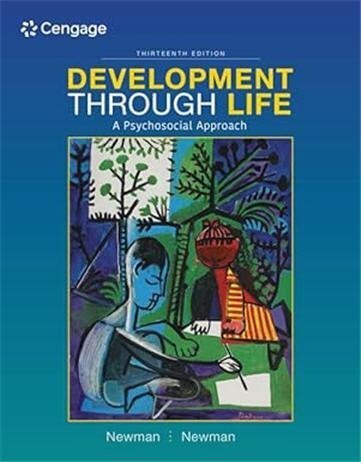
Development Through Life: A Psychosocial Approach 13th Edition by Barbara Newman, ISBN-13: 978-1337098144
Original price was: $50.00.$14.99Current price is: $14.99.
Safe & secure checkout
Description
Description
Development Through Life: A Psychosocial Approach 13th Edition by Barbara Newman, ISBN-13: 978-1337098144
[PDF eBook eTextbook] – Available Instantly
- Publisher: Cengage Learning; 13th edition (April 12, 2017)
- Language: English
- 800 pages
- ISBN-10: 1337098140
- ISBN-13: 978-1337098144
Human development is fascinating. This text uses a life-stage approach to present development across the life span, drawing on the psychosocial theory of Erik Erikson to provide a conceptual framework. The authors address physical, intellectual, social, and emotional growth in 11 life stages, from the prenatal period through elderhood, focusing on the idea that development results from the interdependence of individuals and their environments at every stage, and placing special emphasis on how optimal development may be fostered throughout life. They also provide many cases that show you how research and theories can be applied to contemporary issues, the diversity of experiences that are possible at a certain period of life, and how people cope with challenges they face at various points in life.
Table of Contents:
Cover Page
Title Page
Copyright Page
Preface
About the Authors
Chapter 1. The Development Through Life Perspective
Assumptions of the Text
A Psychosocial Approach: The Interaction of the Biological, Psychological, and Societal Systems
The Biological System
The Psychological System
The Societal System
Overview of the Psychosocial Approach
The Life Span
Life Expectancy
Factors That Contribute to Longevity
Chapter Summary
Chapter 2. Major Theories for Understanding Human Development
What Is a Theory?
Requirements of a Theory
Requirements for Theories of Development
The Theory of Evolution
Ethology
Evolutionary Psychology
Implications for Human Development
Links to the Psychosocial Approach
Psychoanalytic Theory
five Components of Psychoanalytic Theory
Object Relations Theory
Ego Psychology
Implications for Human Development
Links to the Psychosocial Approach
Cognitive Developmental Theories
Basic Concepts in Piaget’s Theory
Implications of Piaget’s Theory for Human Development
Vygotsky’s Concepts of Cognitive Development
Implications of Vygotsky’s Theory for Human Development
Links to the Psychosocial Approach
Theories of Learning
Social Learning Theory
Implications of Social Learning Theory for Human Development
Cognitive Behaviorism
Implications of Cognitive Behaviorism for Human Development
Links to the Psychosocial Approach
Cultural Theory
Cultural Continuity and Discontinuity
Individualism and Collectivism
Implications for Human Development
Links to the Psychosocial Approach
Social Role Theory
Implications for Human Development
Links to the Psychosocial Approach
Systems Theory
Characteristics of Open Systems
Ecological Systems Theory
Implications for Human Development
A Systems View of Families
Links to the Psychosocial Approach
Chapter Summary
Casebook
Chapter 3. Psychosocial Theory
The Rationale for Emphasizing Psychosocial Theory
Basic Concepts of Psychosocial Theory
Stages of Development
Developmental Tasks
Psychosocial Crisis
The Central Process for Resolving the Psychosocial Crisis
Radius of Significant Relationships
Coping
Evaluation of Psychosocial Theory
Strengths
Weaknesses
A Recap of Psychosocial Theory
Chapter Summary
As You Read on …
Casebook
Chapter 4. The Period of Pregnancy and Prenatal Development
Genetics and Development
Chromosomes and Genes as Sources of Genetic Information
The Principles of Heredity
Genetic Sources of Individual Differences
Genetic Technology and Psychosocial Evolution
Gene X Environment Interactions and Behavior
Normal Fetal Development
Fertilization
Infertility and Alternative Means of Reproduction
Adoption
Development in the first Trimester
Development in the Second Trimester
Development in the Third Trimester
The Birth Process
Stages of Labor
Cesarean Delivery
Infant Mortality
The Mother, the Fetus, and the Psychosocial Environment
The Impact of the Fetus on the Pregnant Woman
The Impact of the Pregnant Woman on the Fetus
The Cultural Context of Pregnancy and Childbirth
Reactions to Pregnancy
Solicitude Versus Shame
Adequacy Versus Vulnerability
Reactions to Childbirth
Applied Topic: Abortion
What Is Abortion?
The Legal and Political Context of Abortion in the United States
Statistics About Legal Abortions and the Women Who Have Them
The Psychosocial Impact of Abortion
Men’s Reactions to Abortion
Chapter Summary
Casebook
Chapter 5. Infancy (first 24 Months)
Newborns
Developmental Tasks
The Development of Sensory/Perceptual and Motor Functions
Sensorimotor Intelligence: Processing, Organizing, and Using Information
Communication
Attachment
Emotional Development
The Psychosocial Crisis: Trust Versus Mistrust
Trust
Mistrust
The Central Process for Resolving the Crisis: Mutuality with the Caregiver
Coordination, Mismatch, and Repair of Interactions
Establishing a Functional Rhythm in the Family
Parents with Psychological Problems
The Prime Adaptive Ego Quality and the Core Pathology
Hope
Withdrawal
Applied Topic: The Role of Parents
Safety and Nutrition
Fostering Socioemotional and Cognitive Development
Fathers’ and Mothers’ Parental Behaviors
Parents as Advocates
The Importance of Social Support
Chapter Summary
Casebook
Chapter 6. Toddlerhood (Ages 2 To 4 Years)
Developmental Tasks
Elaboration of Locomotion
Language Development
Fantasy Play
Self-Control
The Psychosocial Crisis: Autonomy Versus Shame and Doubt
Autonomy
Shame and Doubt
The Central Process: Imitation
The Prime Adaptive Ego Quality and the Core Pathology
Will
Compulsion
The Impact of Poverty on Psychosocial Development in Toddlerhood
Poverty and Brain Development
Poverty and Health
Poverty Impacts the Parenting Environment
Poverty and Academic Outcomes
Poverty Worldwide
Applied Topic: Child Care
The Impact of Child Care on Intelligence, Cognition, and Academic Achievement
The Impact of Child Care on Social Competence
Child Care and Physical Activity
Benefits Associated with Head Start
Directions for the Future of Child Care in the United States
Chapter Summary
Casebook
Chapter 7. Early School Age (4 to 6 Years)
Developmental Tasks
Gender Identification
Early Moral Development
Self-Theory
Peer Play
The Psychosocial Crisis: Initiative Versus Guilt
Initiative
Guilt
The Central Process: Identification
The Prime Adaptive Ego Quality and the Core Pathology
Purpose
Inhibition
Applied Topic School Readiness
What Do We Mean by Readiness?
Measuring Kindergarten Readiness
Risk Factors for School Readiness
Who Is Responsible for Meeting the Goal for School Readiness?
Chapter Summary
Casebook
Chapter 8. Middle Childhood (6 to 12 Years)
Developmental Tasks
Friendship
Concrete Operations
Skill Learning
Self-Evaluation
Team Play
The Psychosocial Crisis: Industry Versus Inferiority
Industry
Inferiority
The Central Process: Education
The Prime Adaptive Ego Quality and the Core Pathology
Competence
Inertia
Applied Topic: Violence in the Lives of Children
Consequences of Exposure to Violence
Preventing Violence
Chapter Summary
Casebook
Chapter 9. Early Adolescence (12 to 18 Years)
Developmental Tasks
Physical Maturation
Romantic and Sexual Relationships
Formal Operations
Emotional Development
Membership in the Peer Group
The Psychosocial Crisis: Group Identity Versus Alienation
Group Identity
Alienation
The Central Process: Peer Pressure
Affiliating with a Peer Group
Conflicts Between Belonging and Personal Autonomy
The Prime Adaptive Ego Quality and the Core Pathology
fidelity to Others
Dissociation
Applied Topic: Adolescent Alcohol and Drug Use
Physical Effects of Alcohol
Factors Associated with Alcohol Use
Chapter Summary
Casebook
Chapter 10. Later Adolescence (18 to 24 Years)
Developmental Tasks
Autonomy from Parents
Gender Identity
Internalized Morality
Career Choice
The Psychosocial Crisis: Individual Identity Versus Identity Confusion
Individual Identity
Identity Confusion
The Central Process: Role Experimentation
Psychosocial Moratorium
Individual Differences in Role Experimentation
Role Experimentation and Ethnic Identity
The Prime Adaptive Ego Quality and the Core Pathology
fidelity to Values and Ideologies
Repudiation
Applied Topic: Dropping Out of College
financial Factors
Academic Preparation
Personal Factors
Characteristics of the College Environment
The Consequences of Dropping Out of College
Chapter Summary
Casebook
Chapter 11. Early Adulthood (24 to 34 Years)
Expanding Theoretical Views of Adult Development
Social Roles
Life Course
Fulfillment Theories
Developmental Tasks
Exploring Intimate Relationships
Childbearing
Work
Lifestyle
The Psychosocial Crisis: Intimacy Versus Isolation
Intimacy
Isolation
The Central Process: Mutuality Among Peers
The Prime Adaptive Ego Quality and the Core Pathology
Love
Exclusivity
Applied Topic: Divorce
Factors Contributing to Divorce
Coping with Divorce
Chapter Summary
Casebook
Chapter 12. Middle Adulthood (34 to 60 Years)
Developmental Tasks
Managing a Career
Nurturing an Intimate Relationship
Expanding Caring Relationships
Managing the Household
The Psychosocial Crisis: Generativity Versus Stagnation
Generativity
Stagnation
The Central Process: Person–Environment Interaction and Creativity
Person–Environment Interaction
Creativity
The Prime Adaptive Ego Quality and the Core Pathology
Care
Rejectivity
Applied Topic: Discrimination in the Workplace
Types of Discrimination
Overview of Discrimination
Disparities in Income and the Occupational Structure
How Discrimination Perpetuates Itself
Psychosocial Analysis: Discrimination and Coping
Chapter Summary
Casebook
Chapter 13. Later Adulthood (60 to 75 Years)
Developmental Tasks
Accepting One’s Life
Promoting Intellectual Vigor
Redirecting Energy to New Roles and Activities
Developing a Point of View About Death
The Psychosocial Crisis: Integrity Versus Despair
Integrity
Despair
The Central Process: Introspection
The Prime Adaptive Ego Quality and the Core Pathology
Wisdom
Disdain
Applied Topic: Retirement
Income Loss
Adjustment to Retirement
The Future of Retirement
Chapter Summary
Casebook
Chapter 14. Elderhood (75 until Death)
The Longevity Revolution
Secrets to Longevity
The Gender Gap Among the Very Old
A New Psychosocial Stage: Elderhood
Developmental Tasks
Coping with the Physical Changes of Aging
Developing a Psychohistorical Perspective
Traveling Uncharted Territory: Life Structures in Elderhood
The Psychosocial Crisis: Immortality Versus Extinction
Immortality
Extinction
The Central Process: Social Support
The Benefits of Social Support
The Dynamics of Social Support
The Social Support Network
The Prime Adaptive Ego Quality and the Core Pathology
Confidence
Diffidence
Applied Topic: Meeting the Needs of the Frail Elderly
Defining Frailty
Supporting Optimal Functioning
The Role of the Community
The Role of Creative Action
Chapter Summary
Casebook
Chapter 15. Understanding Death, Dying, and Bereavement
Mortality and Psychosocial Development
Definitions of Death
Advance Directives
The Process of Dying
Confronting One’s Death
The Good Death
Ethical Issues at the End of Life
Death-Related Rituals
Care of the Body
Care of the Spirit
Care of the Surviving Family, Friends, and Community
Bereavement and Grief
Bereavement
Grief
Bereavement and Grief Among Older Widows and Widowers
Factors That Affect the Distress of Survivors
Comforting the Bereaved
Psychosocial Growth Through Bereavement
Chapter Summary
Casebook
Appendix. The Research Process
References
Barbara Newman (Ph.D., University of Michigan) is a professor emeritus in the Department of Human Development and Family Studies at the University of Rhode Island. She has also been on the faculty at Russell Sage College and The Ohio State University, where she served as department chair in Human Development and Family Science and as associate provost for Faculty Recruitment and Development. She has taught courses in life-span development, adolescence, family theories, and the research process. Dr. Newman’s current research focus is on the sense of belonging among college students, with particular attention to students in minoritized groups. She is a member of a research team investigating the developing sense of purpose among students with disabilities. For fun, Dr. Newman enjoys reading, making up projects with her grandchildren, taking walks along Narragansett Bay and Block Island Sound, and spending time with her family.
Philip R. Newman (Ph.D., University of Michigan) is a social psychologist whose research has focused on the transition to high school as well as on group identity and alienation. Together with Barbara Newman, he has worked on programs to bring low-income minority youths to college and to study the processes involved in their academic success. They are coauthors of 13 books, including a book on theories of human development, and numerous articles in the field of human development. Dr. Newman’s current project is a book about how high schools impact the health and psychosocial development of adolescents. He has taught courses in introductory psychology, adolescence, social psychology, developmental psychology, counseling, and family, school, and community contexts for development. He served as the director for Research and Evaluation of the Young Scholars Program at The Ohio State University and as the director of the Human Behavior Curriculum Project for the American Psychological Association. He is a fellow of the American Psychological Association, the Society for the Psychological Study of Social Issues (SPSSI), and the American Orthopsychiatric Association. He home schooled his three children through elementary and middle school. For fun, Dr. Newman enjoys photography, reading mysteries, attending concerts and Broadway plays, and watching baseball.
What makes us different?
• Instant Download
• Always Competitive Pricing
• 100% Privacy
• FREE Sample Available
• 24-7 LIVE Customer Support