

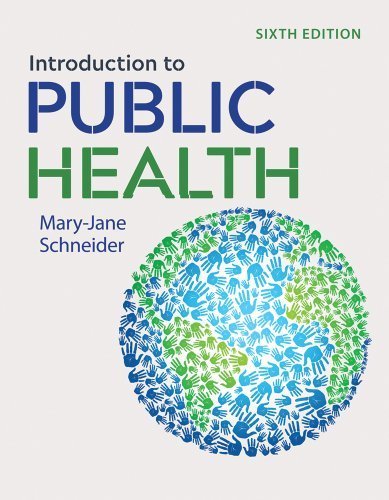
Introduction to Public Health 6th Edition by Mary-Jane Schneider, ISBN-13: 978-1284197594
Original price was: $50.00.$19.99Current price is: $19.99.
Safe & secure checkout
Description
Description
Introduction to Public Health 6th Edition by Mary-Jane Schneider, ISBN-13: 978-1284197594
[PDF eBook eTextbook] – Available Instantly
- Publisher: Jones & Bartlett Learning; 6th edition (March 20, 2020)
- Language: English
- ISBN-10: 128419759X
- ISBN-13: 978-1284197594
Offering a thorough, accessible and lively overview of public heath for students new to the field, Introduction to Public Health offers a broad-reaching, practical framework for understanding the forces and organizations of public health today. Through engaging, nontechnical language, illustrative real world examples, and the current political, economic, and cultural news of the day, students gain a clear understanding of the scope of today’s public health problems and possible solutions.
Table of Contents:
A Cover Page
Title Page
Copyright Page
Dedication
Brief Contents
Contents
Preface
Prologue: Public Health in the News
About the Authors
CHAPTER 1 Public Health: Science, Politics, and Prevention
What Is Public Health?
Public Health Versus Medical Care
The Sciences of Public Health
Prevention and Intervention
Public Health and Terrorism
Conclusion
References
CHAPTER 2 Why Is Public Health Controversial?
Economic Impact
Individual Liberty
Moral and Religious Opposition
Political Interference with Science
Conclusion
References
CHAPTER 3 Powers and Responsibilities of Government
Federal Versus State Authority
How the Law Works
How Public Health Is Organized and Paid for in the United States
Local Public Health Agencies
State Health Departments
Federal Agencies Involved with Public Health
Nongovernmental Role in Public Health
Conclusion
References
CHAPTER 4 Epidemiology: The Basic Science of Public Health
How Epidemiology Works
A Typical Epidemiologic Investigation: Hepatitis Outbreak
Legionnaires’ Disease
Eosinophilia–Myalgia Syndrome
Epidemiology and the Causes of Chronic Disease
Heart Disease
Lung Cancer
Conclusion
References
CHAPTER 5 Epidemiologic Principles and Methods
Kinds of Epidemiologic Studies
Intervention Studies
Cohort Studies
Case-Control Studies
Conclusion
References
CHAPTER 6 Problems and Limits of Epidemiology
Problems with Studying Humans
Sources of Error
Proving Cause and Effect
“4/20” Day and Fatal Accidents: Doobie-ous Results
Epidemiologic Studies of Hormone Replacement Therapy: Confusing Results
Ethics in Epidemiology
Conflicts of Interest in Drug Trials
Conclusion
References
CHAPTER 7 Statistics: Making Sense of Uncertainty
The Uncertainty of Science
Probability
The Statistics of Screening Tests
Rates and Other Calculated Statistics
Risk Assessment and Risk Perception
Cost–Benefit Analysis and Other Evaluation Methods
Conclusion
References
CHAPTER 8 The Role of Data in Public Health
Vital Statistics
The United States Census
NCHS Surveys and Other Sources of Health Data
Is So Much Data Really Necessary?
Accuracy and Availability of Data
Confidentiality of Data
Conclusion
References
CHAPTER 9 The “Conquest” of Infectious Diseases
Infectious Agents
Means of Transmission
Chain of Infection
Rabies
Smallpox and Polio
Smallpox
Polio
Backsliding: Measles and Malaria
Fear of Vaccines
Conclusion
References
CHAPTER 10 The Resurgence of Infectious Diseases
The Biomedical Basis of AIDS
Ebola
West Nile, Zika, and Other Emerging Viruses
Influenza
New Bacterial Threats
Multidrug-Resistant Tuberculosis
Prions
Public Health Response to Emerging Infections
Public Health and the Threat of Bioterrorism
Conclusion
References
CHAPTER 11 The Biomedical Basis of Chronic Diseases
Cardiovascular Disease
Cancer
Diabetes
Other Chronic Diseases
Conclusion
References
CHAPTER 12 Genetic Diseases and Other Inborn Errors
Environmental Teratogens
Genetic Diseases
Genetic and Newborn Screening Programs
Genomic Medicine
Ethical Issues and Genetic Diseases
Conclusion
References
CHAPTER 13 Do People Choose Their Own Health?
Education
Regulation
Does Prohibition Work?
Conclusion
References
CHAPTER 14 How Psychosocial Factors Affect Health Behavior
Health of Minority Populations
Stress and Social Support
Psychological Models of Health Behavior
Ecological Model of Health Behavior
Health Promotion Programs
Changing the Environment
Conclusion
References
CHAPTER 15 Public Health Enemy Number One: Tobacco
Biomedical Basis of Smoking’s Harmful Effects
Historical Trends in Smoking and Health
Regulatory Restrictions on Smoking: New Focus on Environmental Tobacco Smoke
Advertising: Emphasis on Youth
Taxes as a Public Health Measure
California’s Tobacco Control Program
The Master Settlement Agreement
FDA Regulation
Electronic Cigarettes
Conclusion
References
CHAPTER 16 Public Health Enemy Number Two—and Growing: Poor Diet and Physical Inactivity
Epidemiology of Obesity
Diet and Nutrition
Promoting Healthy Eating
Taxing Sugar-Sweetened Beverages
Youth Obesity
Physical Activity and Health
How Much Exercise Is Enough, and How Much Do People Get?
Promoting Physical Activity
Confronting the Obesity Epidemic
Conclusion
References
CHAPTER 17 Injuries Are Not Accidents
Epidemiology of Injuries
Analyzing Injuries
Motor Vehicle Injuries
Pedestrians, Motorcyclists, and Bicyclists
Poisoning
Firearms Injuries
Occupational Injuries
Injury from Domestic Violence
Nonfatal Traumatic Brain Injuries
Tertiary Prevention
Conclusion
References
CHAPTER 18 Maternal and Child Health as a Social Problem
Maternal and Infant Mortality
Infant Mortality: Health Problem or Social Problem?
Preventing Infant Mortality
Congenital Malformations
Preterm Birth
Sudden Infant Death Syndrome
Family Planning and Prevention of Adolescent Pregnancy
Nutrition of Women and Children
Children’s Health and Safety
Conclusion
References
CHAPTER 19 Mental Health: Public Health Includes Healthy Minds
Major Categories of Mental Disorders
Anxiety
Psychosis
Disturbances of Mood
Disturbances of Cognition
Epidemiology
Causes and Prevention
Children
Eating Disorders
Mental Health in Adulthood
Mental Health in Older Adults
Treatment
Conclusion
References
CHAPTER 20 A Clean Environment: The Basis of Public Health
Role of Government in Environmental Health
Identification of Hazards
Pesticides and Industrial Chemicals
Occupational Exposures: Workers as Guinea Pigs
Newer Source of Pollution: Factory Farms
Setting Standards: How Safe Is Safe?
Risk–Benefit Analysis
Conclusion
References
CHAPTER 21 Clean Air: Is It Safe to Breathe?
Criteria Air Pollutants
Strategies for Meeting Standards
Indoor Air Quality
Global Effects of Air Pollution
Conclusion
References
CHAPTER 22 Clean Water: A Limited Resource
Clean Water Act
Safe Drinking Water
Water Crisis in Flint, Michigan
Dilemmas in Compliance
Is the Water Supply Running Out?
Conclusion
References
CHAPTER 23 Solid and Hazardous Wastes: What to Do with the Garbage?
Sanitary Landfills
Alternatives to Landfills
Hazardous Wastes
Coal Ash
Conclusion
References
CHAPTER 24 Safe Food and Drugs: An Ongoing Regulatory Battle
Causes of Foodborne Illness
Government Action to Prevent Foodborne Disease
Additives and Contaminants
Drugs and Cosmetics
Food and Drug Labeling and Advertising
Politics of the FDA
Conclusion
References
CHAPTER 25 Population: The Ultimate Environmental Health Issue
Public Health and Population Growth
Global Impact of Population Growth: Depletion of Resources
Global Impact of Population Growth: Climate Change
Dire Predictions and Fragile Hope
Conclusion
References
CHAPTER 26 Is the Medical Care System a Public Health Issue?
When Medical Care Is a Public Health Responsibility
The Conflict Between Public Health and the Medical Profession
Licensing and Regulation
Ethical and Legal Issues in Medical Care
Ethical Issues in Medical Resource Allocation
Conclusion
References
CHAPTER 27 Why the U.S. Medical System Needs Reform
Problems with Access
Why Do Costs Keep Rising?
Approaches to Controlling Medical Costs
Managed Care and Beyond
The Patient Protection and Affordable Care Act
Rationing
Conclusion
References
CHAPTER 28 Health Services Research: Finding What Works
Reasons for Practice Variations
The Field of Dreams Effect
Outcomes Research
Quality
Medical Care Report Cards
Inequities in Medical Care
The Relative Importance of Medical Care for Public Health
Conclusion
References
CHAPTER 29 Public Health and the Aging Population
The Aging of the Population: Trends
Health Status of the Older Population
General Approaches to Maximizing Health in Old Age
Preventing Disease and Disability in Old Age
Medications
Osteoporosis
Falls
Impairment of Vision and Hearing
Oral Health
Alzheimer’s and Other Dementias
Medical Costs of the Elderly
Proposals for Rationing
Conclusion
References
CHAPTER 30 Emergency Preparedness, Post-9/11
Types of Disasters and Public Health Responses
New York’s Response to the World Trade Center Attacks
Response to Hurricane Katrina
Principles of Emergency Planning and Preparedness
Bioterrorism Preparedness
Pandemic Flu
Conclusion
References
CHAPTER 31 Public Health in the Twenty-First Century: Achievements and Challenges
Challenges for the 21st Century
Strategic Planning for Public Health
Dashed Hopes for the Integration of Public Health and Medical Practice
Information Technology
The Challenge of Biotechnology
The Ultimate Challenge to Public Health in the 21st Century
Conclusion
References
Glossary
Index
Bonus Chapter: Learning from the COVID-19 Pandemic
A Brief History of Crowd-Epidemic Diseases
Origins of SARS-CoV-2
Morbidity and Mortality of COVID-19
Transmission
Cross-Country Differences in Public Health Responses
Infection-Control Policies
Economic Consequences
Conclusion
Glossary
References
Mary-Jane Schneider is the Director of Interdisciplinary Programs and Clinical Associate Professor of Health Policy, Management, and Behavior at the School of Public Health, University at Albany, State University of New York, Rensselaer.
What makes us different?
• Instant Download
• Always Competitive Pricing
• 100% Privacy
• FREE Sample Available
• 24-7 LIVE Customer Support