

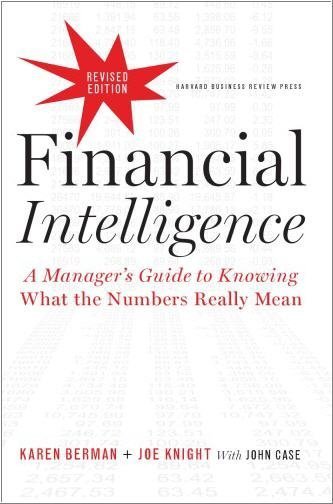
Financial Intelligence, Revised Edition: A Manager’s Guide to Knowing What the Numbers Really Mean
Original price was: $50.00.$9.99Current price is: $9.99.
Safe & secure checkout
Description
Description
Financial Intelligence, Revised Edition: A Manager’s Guide to Knowing What the Numbers Really Mean, ISBN-13: 978-1422144114
[PDF eBook eTextbook]
- Publisher: Harvard Business Review Press; Revised ed. edition (February 19, 2013)
- Language: English
- 304 pages
- ISBN-10: 9781422144114
- ISBN-13: 978-1422144114
The book Inc. magazine calls one of “the best, clearest guides to the numbers” on the market.
Table of Contents:
Cover
Title Page
Copyright
Dedication
Contents
Preface: What Is Financial Intelligence?
Part One. The Art of Finance (and Why It Matters)
1. You Can’t Always Trust the Numbers
2. Spotting Assumptions, Estimates, and Biases
3. Why Increase Your Financial Intelligence?
4. The Rules Accountants Follow—and Why You Don’t Always Have To
Part One Toolbox:
Getting What You Want
The Players and What They Do
Reporting Obligations of Public Companies
Part Two. The (Many) Peculiarities of the Income Statement
5. Profit Is an Estimate
6. Cracking the Code of the Income Statement
7. Revenue: The Issue Is Recognition
8. Costs and Expenses: No Hard-and-Fast Rules
9. The Many Forms of Profit
Part Two Toolbox:
Understanding Variance
Profit at Nonprofits
A Quick Review: “Percent of” and “Percent Change”
Part Three. The Balance Sheet Reveals the Most
10. Understanding Balance Sheet Basics
11. Assets: More Estimates and Assumptions (Except for Cash)
12. On the Other Side: Liabilities and Equity
13. Why the Balance Sheet Balances
14. The Income Statement Affects the Balance Sheet
Part Three Toolbox:
Expense? Or Capital Expenditure?
The Impact of Mark-to-Market Accounting
Part Four. Cash Is King
15. Cash Is a Reality Check
16. Profit ≠ Cash (and You Need Both)
17. The Language of Cash Flow
18. How Cash Connects with Everything Else
19. Why Cash Matters
Part Four Toolbox:
Free Cash Flow
Even the Big Guys Can Run Out of Cash
Part Five. Ratios: Learning What the Numbers Are Really Telling You
20. The Power of Ratios
21. Profitability Ratios: The Higher the Better (Mostly)
22. Leverage Ratios: The Balancing Act
23. Liquidity Ratios: Can We Pay Our Bills?
24. Efficiency Ratios: Making the Most of Your Assets
25. The Investor’s Perspective: The “Big Five” Numbers and Shareholder Value
Part Five Toolbox:
Which Ratios Are Most Important to Your Business?
The Power of Percent of Sales
Ratio Relationships
Different Companies, Different Calculations
Part Six. How to Calculate (and Really Understand) Return on Investment
26. The Building Blocks of ROI
27. Figuring ROI: The Nitty-Gritty
Part Six Toolbox:
A Step-by-Step Guide to Analyzing Capital Expenditures
Calculating the Cost of Capital;
Economic Value Added and Economic Profit—Putting It All Together
Part Seven. Applied Financial Intelligence: Working Capital Management
28. The Magic of Managing the Balance Sheet
29. Your Balance Sheet Levers
30. Homing In on Cash Conversion
Part Seven Toolbox:
Accounts Receivable Aging
Part Eight. Creating a Financially Intelligent Company
31. Financial Literacy and Corporate Performance
32. Financial Literacy Strategies
33. Financial Transparency: Our Ultimate Goal
Part Eight Toolbox:
Understanding Sarbanes-Oxley
Appendix: Sample Financials
Notes
Acknowledgments
Index
About the Authors
Karen Berman and Joseph Knight are the founders of the Los Angeles-based Business Literacy Institute. They train managers at organizations such as American Express, P&G, Pacific Life, GM and Tyco International. They have been interviewed in a wide range of print media including BusinessWeek, USA Today and the Los Angeles Times.
What makes us different?
• Instant Download
• Always Competitive Pricing
• 100% Privacy
• FREE Sample Available
• 24-7 LIVE Customer Support




Reviews
There are no reviews yet.