

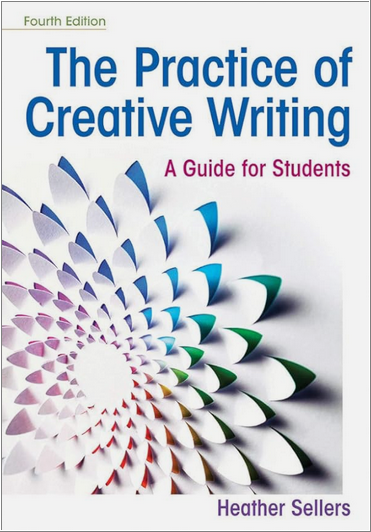
The Practice of Creative Writing: A Guide for Students 4th Edition by Heather Sellers, ISBN-13: 978-1319215958
Original price was: $50.00.$14.99Current price is: $14.99.
Safe & secure checkout
Description
Description
The Practice of Creative Writing: A Guide for Students 4th Edition by Heather Sellers, ISBN-13: 978-1319215958
[PDF eBook eTextbook]
- Publisher: Bedford/St. Martin’s; Fourth edition (September 11, 2020)
- Language: English
- ISBN-10: 1319215955
- ISBN-13: 978-1319215958
When it comes to writing, The Practice of Creative Writing has a simple you can do this, and it’s worthwhile to try. Designed for students in the introductory course, The Practice of Creative Writing teaches writers how to trust their own voice, experiment with form, and develop a writing process that allows them to spend more productive time at the desk. Rather than locking into one genre early, writers are encouraged to work among and in between genres and to focus on creating a writing practice that privileges close observation, patience, and techniques of pattern, energy, and shape.Heather Sellers, who writes in multiple genres herself, has developed a lively, welcoming, student-centered approach that teaches creative concentration, close reading, and generating pages. She provides opportunities to be playful and to experiment at the same time that she teaches students the importance of discipline, form, and craft. Heather Sellers is a certified online instructor, and The Practice of Creative Writing is designed to be used in traditional face-to-face classrooms or in online education. Each chapter begins with objectives for that module. Prompts and writing practices are carefully sequenced. Every chapter ends with both genre-specific writing projects alongside hybrid and experimental prompts. The readings included in this new edition invite students to experience an even wider range of innovative and new literatures. A new chapter on creative ways to approach revision as a shaping practice engaged throughout the writing process helps students work harder on their writing.
Table of Contents:
About this Book
Cover Page
Inside Front Cover
Title Page
Copyright Page
Preface for Instructors
About the Author
Contents
Introduction: How Creative Writing Works
How The Practice Of Creative Writing Work
Asking Generative Questions
Part One: Foundations
Chapter One: Finding Focus
The Mind’s Eye
Write What You See
Moving Images
Subject as Focus
Write What You Know
Developing Focus
The Writing Habit
Writing Rituals
Flow
Lack of Focus
Writer’s Block
Distraction
Procrastination
Judgment
Writing Projects
Readings
Chapter Two: Reading as a Writer
Tips for Reading as a Writer
Be Curious
Read Widely
Explore Genres, Question Boundaries
Embrace Discomfort
To Read is to Travel
Strategies for Close Reading
Read Multiple Times, Take Notes
Read Aloud
Experiment with Copywork
Memorize
Annotate
Genres: An Overview
Hybrids and Experiments
Poetry
Creative Nonfiction: Memoir and Literary Essay
Fiction
Drama: Spoken Word, Monologue, Play, and Screenplay
Closely Reading Your Own Work
Reading Work by Peers
Reading to Write
Inspiration
Imitation
Writing Projects
Readings
Chapter Three: Creating From Components
Core Components of Creative Writing
Words
Metaphor
Polarity
Genre-Specific Components
Components of Narrative: Memoir, Creative Nonfiction, Fiction
Components of Poetry
Plays
Components of Plays
Writing Projects
Components Workshop
Readings
Part Two: Strategies
Chapter Four: Images
The Principles of Images
Images Are Active
Reading Is Image Viewing
Images Are the Opposite of Thought and Feeling
Generating Images
Creating with Images
Focus on People in Action
Think from within Images
Use Specifics
Move Around in Images
One Sentence, One Action
Summary Images
Sliding
A Word on Ideas
Writing Projects
Images Workshop
Readings
Chapter Five: Energy
The Principles of Energy
Subject: Focus on What’s Fascinating
Leaps: The Energetic Power of Gaps
Sparky Word Choices
Super-Specifics
Filters
Manipulating Energy
Pace
Camera Work
Too Much Energy?
Troubleshooting Energy
Writing Projects
Energy Workshop
Readings
Chapter Six: Tension
The Principles of Tension
Tension = Yearning + Obstacles
Tension, Stakes, and Cause/Effect
Maintaining Tension
Work with at Least Two Characters/Elements
Match Your Opponents
Tension in Poetry
Manipulating Tension
Creating Oppositions
Thermostat Control: Adjusting the Temperature
Layers: Adding Dimension
Façade
Writing Projects
Tension Workshop
Readings
Chapter Seven: Pattern
Pattern by Ear
Rhymes and Other Echoes
Word Order
Rhythm
Pattern by Eye
Object Patterns
Gesture Patterns
Pattern on the Page
Writing Projects
Pattern Workshop
Readings
Chapter Eight: Insight
Reading for Insight
Principles of Insight
Accuracy
Generosity
Practicing Insight
Reflect on Your Personal Experience
Ask Questions
Reverse Expectations
Create Deep Context
Surprise Yourself
Create Subtext
Rely on Form
Three Pitfalls
Writing Projects
Insight Workshop
Readings
Chapter Nine: Shape
Principles Of Shape
Shaping, Editing, and Proofreading
Revision = Seeing Again
Shaping by Strategy
Additional Techniques For Shaping Your Work
Look Closer
Work by Hand
Be Bold: Let Go
Sketch
Cut
Pitfalls
Perfectionism
Anxiety and Fear
Overwhelm
Darlings
Shaping A Story: A Writer At Work
Letting Go
Applying the Wheel of Strategies
Getting Feedback
Sketching Not Drafting
Building a Personal Process
Editing And Proofreading
Writing projects
Shape Workshop
Part Three: Forms
Chapter Ten: Finding Form
Forms: Recipes For Writers
Writing in the Genres
How to Create with Form
A Note on Poetry
Creating A Portfolio Of Forms
Fourteen Forms
Abecedarius
Reading the Abecedarius
Further Reading
Writing an Abecedarius
Anaphora
Reading Anaphora
Further Reading
Writing an Anaphora
Braid
Reading Braids
Further Reading
Writing a Braid
Comics And Graphic Narratives
Reading Comics and Graphic Narratives
Further Reading
Writing a Comic or Graphic Narrative
Flash
Reading Flash Fiction and Micro-Memoir
Further Reading
Writing Flash Fiction
Writing Micro-Memoir
Ghazal
Reading Ghazals
Further Reading
Writing a Ghazal
Journey
Reading Journeys
Further Reading
Writing a Journey
List
Reading Lists
Further Reading
Writing a List
Monologue
Reading Monologues
Further Reading/Listening
Writing a Monologue
Pantoum
Reading Pantoums
Further Reading
Writing a Pantoum
Play/Screenplay
Reading Plays and Screenplays
Further Reading
Writing a Play
Sestina
Reading Sestinas
Further Reading
Writing a Sestina
Sonnet
Reading Sonnets
Further Reading
Writing a Sonnet
Villanelle
Reading Villanelles
Further Reading
Writing a Villanelle
Part Four: The Writing Life
Chapter Eleven: Reaching Readers
Preparing To Publish
Live Readings
Attending a Live Reading
Giving a Live Reading
Literary Magazines: Print And Digital
Rely on Guides and Directories
Research a Wide Range of Publications
Submit Your Work
Get Rejected
Portfolios And Chapbooks
Portfolios
Chapbooks
Artist Statements
Chapter Twelve: Writing Resources
Smart Searching
Social Media
Hashtags
Resources
Creativity and Inspiration
Images: Seeing More Closely
Self-Expression and Personal Writing
Literary News
The Business of Writing: Agents, Freelancing, Book Proposals, and Publishing
Notes
Appendix: Terminology for Creative Writers
Acknowledgements
Index
Inside Back Cover
Back Cover
What makes us different?
• Instant Download
• Always Competitive Pricing
• 100% Privacy
• FREE Sample Available
• 24-7 LIVE Customer Support

Reviews
There are no reviews yet.